

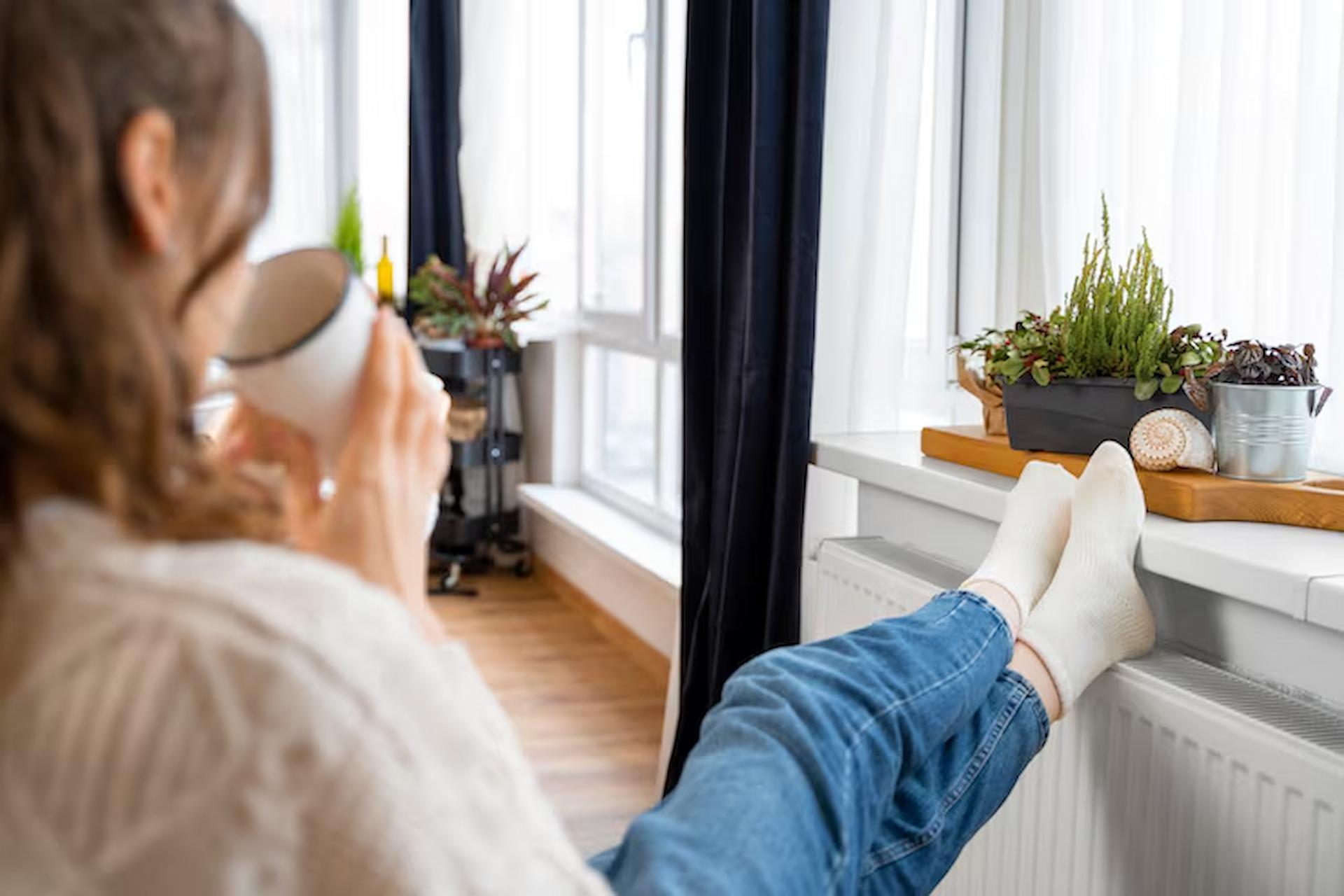
Keeping your home warm during colder months requires more than simply turning up the thermostat. Proper heating maintenance plays a vital role in improving indoor comfort, reducing energy costs, and protecting the long-term performance of your heating system. Whether you rely on a furnace, boiler, or heat pump, regular upkeep can help prevent unexpected breakdowns, improve indoor air quality, and create a healthier living environment for your family. Many homeowners overlook the importance of preventative heating care until costly repairs become unavoidable.
From changing air filters to scheduling a professional heating service, small maintenance steps can make a significant difference in energy efficiency and overall system reliability. A well-maintained heating system not only keeps your home consistently warm but also supports better airflow, cleaner air, and lower utility bills throughout the winter season.
Replace Air Filters Regularly
One of the simplest yet most important heating maintenance tasks is changing the air filter. A dirty filter restricts airflow, forcing the heating system to work harder to circulate warm air throughout the home. This added strain can increase energy usage and reduce the lifespan of the equipment.
Most filters should be checked monthly and replaced every one to three months, depending on household conditions. Homes with pets, smokers, or higher levels of dust may require more frequent replacements. Clean filters also help improve indoor air quality by reducing airborne particles and allergens.
Ignoring this small task can lead to inconsistent heating, reduced efficiency, and a build-up of debris within the system.
Keep Vents and Registers Clear
Blocked vents can interfere with airflow and create uneven heating throughout the house. Furniture, curtains, rugs, and storage boxes are common obstacles that prevent warm air from circulating properly.
Walk through the home occasionally to ensure all vents and registers remain open and unobstructed. Dust and vacuum them regularly as well, since accumulated dirt can reduce airflow and circulate particles into living spaces.
Balanced airflow not only improves comfort but also reduces unnecessary pressure on the heating system. Even a high-performing furnace or heat pump cannot work efficiently if warm air cannot move freely through the home.
Schedule Annual Professional Inspections
Professional inspections remain one of the most effective ways to maintain a heating system. Trained technicians can identify worn components, gas leaks, airflow issues, or electrical concerns that homeowners may not notice themselves.
An annual inspection typically includes:
- Checking thermostat performance
- Inspecting burners and heat exchangers
- Testing safety controls
- Cleaning internal components
- Examining ductwork and airflow
- Lubricating moving parts where necessary
These inspections help ensure the system operates safely and efficiently during peak heating season. Booking a trusted heating service before winter arrives can also reduce the risk of unexpected breakdowns during colder weather when demand is highest.
Maintain Healthy Indoor Humidity Levels
Heating systems can make indoor air feel dry, particularly during winter. Low humidity levels may lead to dry skin, irritated sinuses, and increased static electricity. Excessively dry air can also affect wooden furniture, flooring, and musical instruments over time.
Using a humidifier can help balance indoor moisture levels and create a healthier living environment. Ideally, indoor humidity should remain between 30% and 50%.
At the same time, homeowners should avoid excessive humidity, which may encourage Mold growth and condensation around windows. Monitoring humidity with a simple hygrometer can help maintain a comfortable balance throughout the season.
Pay Attention to Unusual Sounds or Smells
Heating systems often provide warning signs before a serious issue develops. Rattling, banging, squealing, or grinding noises may indicate loose components, worn belts, or motor problems. Similarly, unusual odours can point to dust accumulation, overheating parts, or ventilation concerns.
A brief burning smell when turning the heating on for the first time each season is generally normal, as dust burns off internal components. However, persistent or strong odours should never be ignored.
Addressing these signs early can prevent more costly repairs later and help maintain safe operation within the home.
Seal Drafts and Improve Insulation
Heating maintenance is not only about the system itself. A home that loses heat quickly forces the heating equipment to work harder and run longer than necessary.
Checking for drafts around windows, doors, loft spaces, and external walls can make a noticeable difference in comfort and efficiency. Simple improvements such as weather stripping, door seals, or additional insulation often reduce energy waste significantly.
Well-insulated homes retain warmth more effectively, creating a more stable indoor temperature and reducing overall heating costs. This also places less strain on the heating system, helping it operate more efficiently over time.
Use the Thermostat Wisely
Thermostat habits have a major impact on heating performance and energy consumption. Constantly adjusting temperatures throughout the day can make the system work harder than necessary.
Programmable or smart thermostats provide better control by maintaining consistent temperatures based on daily routines. Lowering the temperature slightly overnight or when the home is empty can reduce energy use without sacrificing comfort.
Even modest adjustments can create meaningful savings over time. Many households discover that maintaining a steady temperature feels more comfortable than frequent manual changes.
Keep the Area Around Heating Equipment Clean
Heating systems require adequate airflow around their components to operate safely and efficiently. Clutter stored near furnaces, boilers, or heat pumps can block ventilation and create potential safety hazards.
Homeowners should keep the surrounding area free from boxes, cleaning products, fabrics, and other combustible materials. Dust and debris should also be cleaned regularly from around the equipment.
Outdoor heat pump units deserve attention as well. Leaves, dirt, and overgrown vegetation can restrict airflow and reduce system performance if left unchecked.
Conclusion
A warm and healthy home depends heavily on proper heating maintenance. While many issues develop gradually over time, regular care helps prevent unnecessary wear, improve indoor air quality, and reduce energy costs. Small actions such as replacing filters, clearing vents, and monitoring thermostat use can make a significant difference in overall system performance.
Professional inspections remain equally important, especially before colder weather begins. A well-maintained heating system operates more efficiently, lasts longer, and provides greater peace of mind throughout the winter months. By combining preventative maintenance with good daily habits, homeowners can create a safer, more comfortable, and healthier indoor environment for the entire household.
