

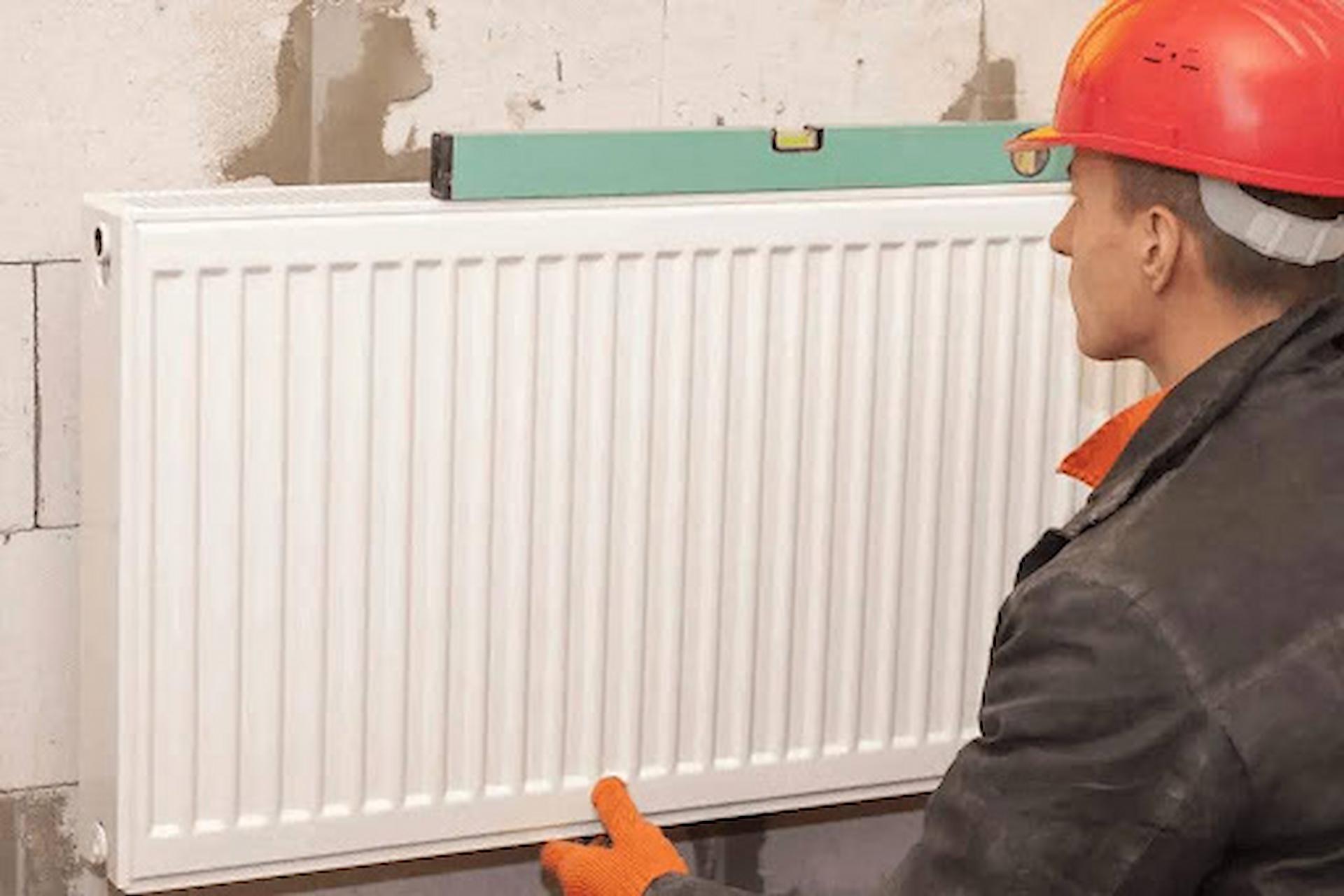
Radiators often work quietly in the background, but over time they can lose efficiency and affect how comfortably your home heats up. Uneven warmth, unusual noises, or rising heating bills may signal that your radiator is no longer performing well and that replacing it could improve both comfort and energy efficiency.
Radiators are designed to provide reliable heating for many years, but like any household system, they gradually wear out. When performance starts to decline, your heating system may work harder than necessary, leading to reduced comfort and higher energy use. Many homeowners begin looking into heating efficiency questions like can TRVs reduce heating costs when they notice changes in how their radiators perform. While adjustments and maintenance can sometimes help, certain warning signs suggest it may be time to consider replacing the unit altogether. Understanding these signs early can help prevent heating inefficiency and keep your home warm without unnecessary energy waste.
Radiators Taking Too Long to Heat Up
A radiator that warms up slowly may be suffering from internal issues that reduce efficiency. Over time, sludge made from rust particles, debris, and mineral deposits can build up inside the system. This sediment restricts the flow of hot water, preventing the radiator from reaching its full temperature and slowing down room heating.
Reduced heat output is also common in aging radiators. If the unit never becomes fully warm even after running for a long time, internal corrosion may be limiting heat transfer. As the metal inside deteriorates, the radiator loses its ability to distribute warmth effectively.
Uneven Heating Across the Radiator Surface
A properly working radiator should heat evenly across its surface. When some sections stay cool while others are hot, it often indicates trapped air or internal blockages. Bleeding the radiator may remove air, but persistent cold spots usually mean sediment has built up inside the unit.
These cold areas reduce heat distribution, forcing the heating system to run longer to warm the room. Over time, this inefficiency can increase energy use while still failing to provide consistent comfort.
Frequent Noises During Heating
Radiators typically operate quietly, so unusual sounds during heating cycles should not be ignored. Banging, clanking, or gurgling noises often occur when air pockets or sediment interfere with the smooth movement of hot water inside the radiator. While occasional noise may occur when air becomes trapped in the system, repeated sounds can indicate deeper internal problems.
Older radiators are particularly prone to this issue as corrosion and scale develop on internal surfaces. These rough surfaces disrupt the normal flow of water, creating pressure variations that lead to noticeable noises whenever the heating system operates.
Visible Rust or Corrosion
External signs can often reveal problems developing inside a radiator. Rust forming around joints, seams, or valves indicates that moisture has begun affecting the metal structure. Over time, corrosion weakens the radiator’s body and increases the likelihood of structural damage.
Paint that begins to bubble or flake may also suggest corrosion underneath the surface. When rust spreads beneath the paint layer, it gradually compromises the radiator’s strength. These visible signs usually indicate that deterioration is progressing internally as well.
Small Leaks Around Valves or Seams
Even a minor leak around the radiator can indicate that the unit is beginning to fail. Moisture or small water droplets appearing near valves, pipe connections, or seams often signal that seals have worn out or corrosion has damaged the internal metal.
Leaks rarely remain minor for long. As corrosion spreads, the radiator may gradually lose more water, increasing the risk of damage to nearby flooring and surrounding surfaces. When leaks begin to appear, replacement is often the most reliable long-term solution.
Rising Heating Costs Without Increased Usage
A sudden rise in heating bills can sometimes indicate inefficient radiators. When radiators struggle to transfer heat effectively, the heating system must run longer to maintain comfortable indoor temperatures, which increases overall energy use.
While homeowners often explore options like whether can TRVs reduce heating costs to improve temperature control, worn or deteriorating radiators may still limit efficiency even with better controls in place.
Your Radiator Is Over 15–20 Years Old
Age can also be an important factor when assessing radiator performance. Most radiators can function for fifteen to twenty years, but efficiency often declines as the unit ages. Continuous heating and cooling cycles gradually weaken metal components and reduce the radiator’s ability to transfer heat effectively.
Modern radiator designs are often more efficient and distribute warmth more evenly than older models. Even if an older radiator still operates, it may require longer heating cycles to deliver the same level of comfort that newer systems can achieve more efficiently.
Key Signs to Watch For
If you notice several of these issues together, replacing your radiator may be the most practical option.
Common warning signs include:
- Radiators that heat slowly or incompletely
- Persistent cold spots that return after bleeding
- Unusual noises during heating cycles
- Rust, corrosion, or bubbling paint
- Small leaks or damp areas near valves
- Rising heating costs despite normal usage
Recognising these signals early can help avoid larger heating problems later.
Practical Tips Before Replacing Your Radiator
Before making a decision, a few simple steps can help confirm whether replacement is necessary.
- Check for trapped air: Bleeding the radiator can sometimes restore proper heating.
- Inspect for visible damage: Look for rust, corrosion, or moisture around joints.
- Monitor heating consistency: Uneven warmth may indicate internal blockages.
- Evaluate system age: Radiators older than two decades often benefit from upgrading.
- Consider efficiency improvements: Many homeowners reviewing heating performance also examine whether can TRVs reduce heating costs as part of improving overall system control.
Final Thoughts
Radiators play a vital role in keeping homes comfortable during colder seasons. When they begin to show signs of ageing—such as slow heating, uneven warmth, unusual noises, corrosion, or leaks—the efficiency of the entire heating system can decline. Addressing these issues early helps prevent wasted energy and inconsistent heating.
Recognising the warning signs of radiator deterioration allows homeowners to make informed decisions about maintenance or replacement. Upgrading ageing radiators can restore consistent warmth, improve heating efficiency, and support better temperature control throughout the home. When reviewing heating performance, it is also helpful to consider measures such as whether can TRVs reduce heating costs, as modern controls and efficient radiators together can create a more balanced and effective heating system.
