

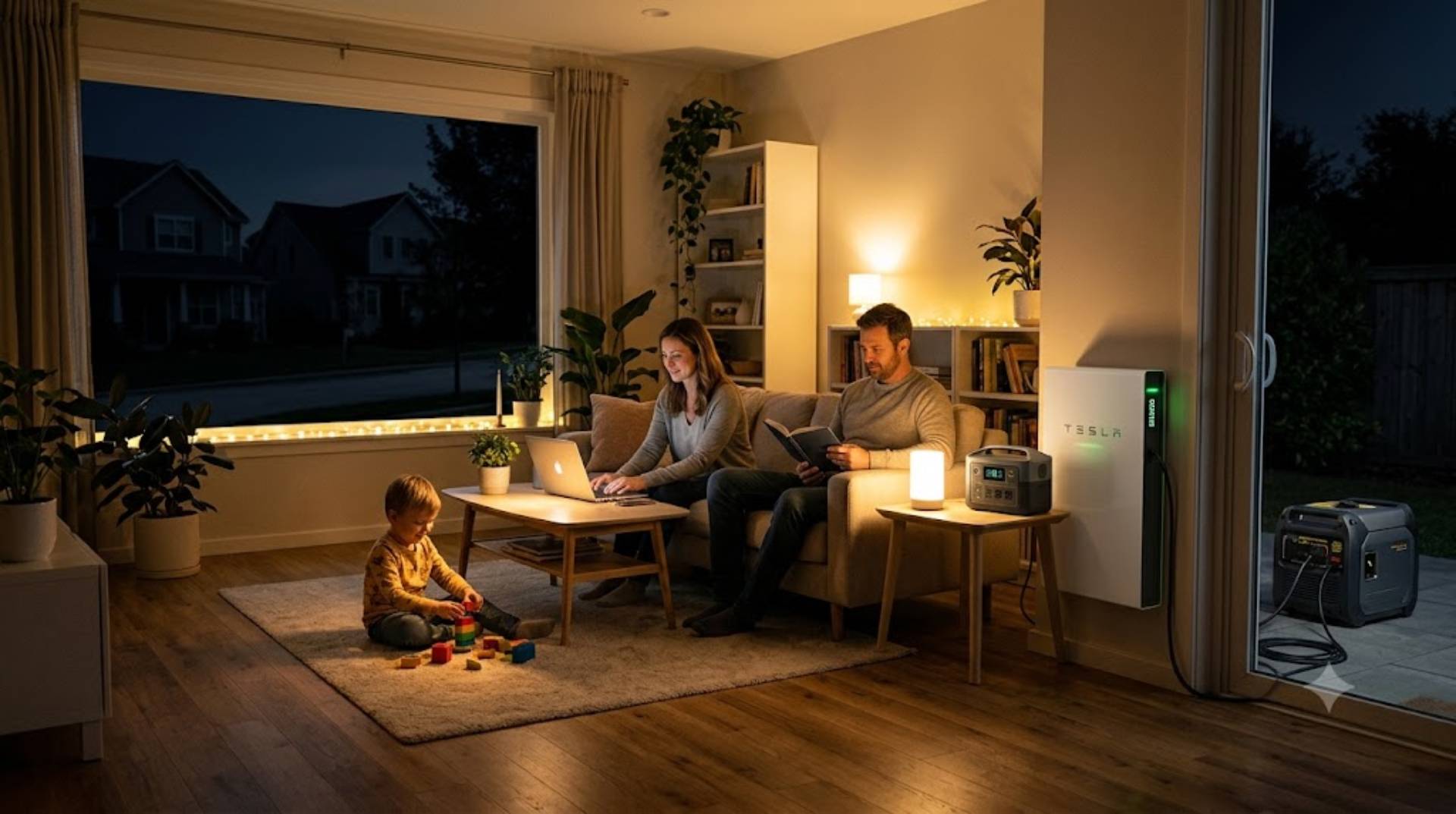
Power outages can happen with little warning. Severe weather, aging utility infrastructure, fallen trees, or unexpected equipment failures can leave your home without electricity for hours or even days. While some outages are brief inconveniences, others can disrupt daily life, compromise food safety, interrupt remote work, and even create health risks for households that rely on powered medical equipment.
Choosing the right backup power solution can help you stay comfortable and prepared when the grid goes down. Whether you’re looking for a temporary emergency option or a permanent system that automatically restores power, understanding your choices is the first step toward making an informed decision. Many homeowners begin by exploring generators for whole-home backup to ensure their essential systems continue running during extended outages.
Why Backup Power Matters
Electricity powers nearly every aspect of modern living. Heating and cooling systems, refrigerators, internet connections, lighting, security systems, and kitchen appliances all depend on a reliable electrical supply.
When an outage occurs, the impact extends beyond simple inconvenience. Frozen food may spoil, sump pumps can stop working, security systems may lose functionality, and extreme indoor temperatures can become unsafe, particularly for young children, older adults, or individuals with medical conditions.
A dependable backup power system helps reduce these risks by keeping critical household systems operational until utility service is restored.
Understanding Your Backup Power Options
Not every household requires the same level of protection. The right solution depends on your home’s size, energy needs, budget, and how frequently outages occur in your area.
Portable Generators
Portable generators are among the most affordable backup power options. They can provide electricity for selected appliances using extension cords or a transfer switch.
These units work well for short-term emergencies, camping trips, or occasional outages. However, they require manual setup, regular refueling, and careful placement outdoors to prevent carbon monoxide exposure.
Portable generators typically power only a limited number of devices, making them best suited for households with modest emergency power requirements.
Standby Generators
Standby generators offer a more comprehensive solution. Permanently installed outside the home, these systems automatically detect power failures and begin supplying electricity within seconds.
Connected directly to the home’s electrical system through an automatic transfer switch, standby generators can power essential circuits or even the entire house, depending on the unit’s capacity.
Most standby systems operate on natural gas or propane, eliminating the need to store gasoline during emergencies.
Determine What You Need to Power
Before selecting any backup system, make a list of the equipment you consider essential.
Common priorities include:
- Refrigerators and freezers
- Heating and air conditioning systems
- Medical equipment
- Internet routers and communication devices
- Interior lighting
- Water heaters
- Sump pumps
- Security systems
- Kitchen appliances
Some households only need enough power to maintain basic comfort and safety, while others want uninterrupted operation of every appliance and electronic device.
Understanding your electrical priorities helps determine the generator size required.
Consider Generator Capacity
Generator capacity is measured in watts. Choosing the correct size is one of the most important decisions in the buying process.
A unit that is too small may overload when multiple appliances start simultaneously, while an oversized system may increase installation and operating costs unnecessarily.
Electrical professionals typically perform a load calculation to estimate your home’s peak energy demand. This assessment considers both the running wattage and the additional surge required when motors, compressors, and HVAC systems start.
Proper sizing ensures reliable performance without wasting energy or money.
Fuel Type Makes a Difference
Backup generators are available with several fuel options, each offering different advantages.
Natural Gas
Natural gas is popular for permanently installed standby generators because it connects directly to municipal utility lines. This provides a continuous fuel supply without requiring manual refueling during long outages.
Propane
Propane offers similar reliability while remaining available in areas without natural gas service. Since it can be stored on-site, propane provides flexibility for rural homes.
Gasoline
Gasoline is commonly used for portable generators because it is widely available. However, fuel storage, limited shelf life, and the need for regular refueling make it less convenient during prolonged outages.
Diesel
Diesel generators are known for durability and efficiency, particularly in larger applications. While less common for residential use, they remain an option for homeowners with higher power demands.
Automatic or Manual Operation?
Convenience plays a significant role in selecting a backup system.
Portable generators require homeowners to retrieve the equipment, fill it with fuel, connect extension cords or activate a transfer switch, and manually start the engine after power is lost.
Standby generators automate nearly every step. Once utility power fails, the generator starts automatically and transfers electricity to the home’s electrical panel. When utility service returns, the system safely switches back and shuts itself down.
For households that travel frequently or may not be home during an outage, automatic operation provides added peace of mind.
Installation and Safety Considerations
Backup power systems should always prioritize safety.
Standby generators require professional installation, including electrical connections, fuel supply integration, and compliance with local building codes.
Portable generators should never operate inside garages, basements, or enclosed spaces because of carbon monoxide hazards. They should also never be connected directly to household wiring without an approved transfer switch, as this can create dangerous backfeeding that threatens utility workers and damages equipment.
Routine maintenance—including oil changes, filter replacement, battery inspections, and scheduled testing—also helps ensure the generator operates reliably when needed most.
Think Beyond the Initial Cost
While purchase price is important, long-term ownership costs deserve equal consideration.
Maintenance requirements, fuel consumption, expected lifespan, warranty coverage, and installation expenses all contribute to the overall investment.
Although standby generators require a larger upfront commitment, many homeowners appreciate the convenience, automatic operation, and comprehensive protection they provide during frequent or extended outages.
On the other hand, portable generators may be sufficient for occasional emergency use with lower initial costs.
Evaluating both short-term and long-term expenses helps you choose a solution that fits your household and budget.
Conclusion
A reliable backup power system is more than just an emergency purchase—it’s an investment in your home’s safety, comfort, and resilience. By evaluating your household’s electrical needs, choosing the appropriate generator capacity, selecting the right fuel source, and considering how much automation you prefer, you can find a solution that offers dependable protection when unexpected outages occur.
Whether you need basic emergency power for a few essential appliances or seamless electricity for your entire home, taking the time to compare your options today can help prevent unnecessary stress tomorrow. With thoughtful planning and proper installation, you’ll be better prepared to keep your household running smoothly, no matter what challenges the power grid may bring.
