

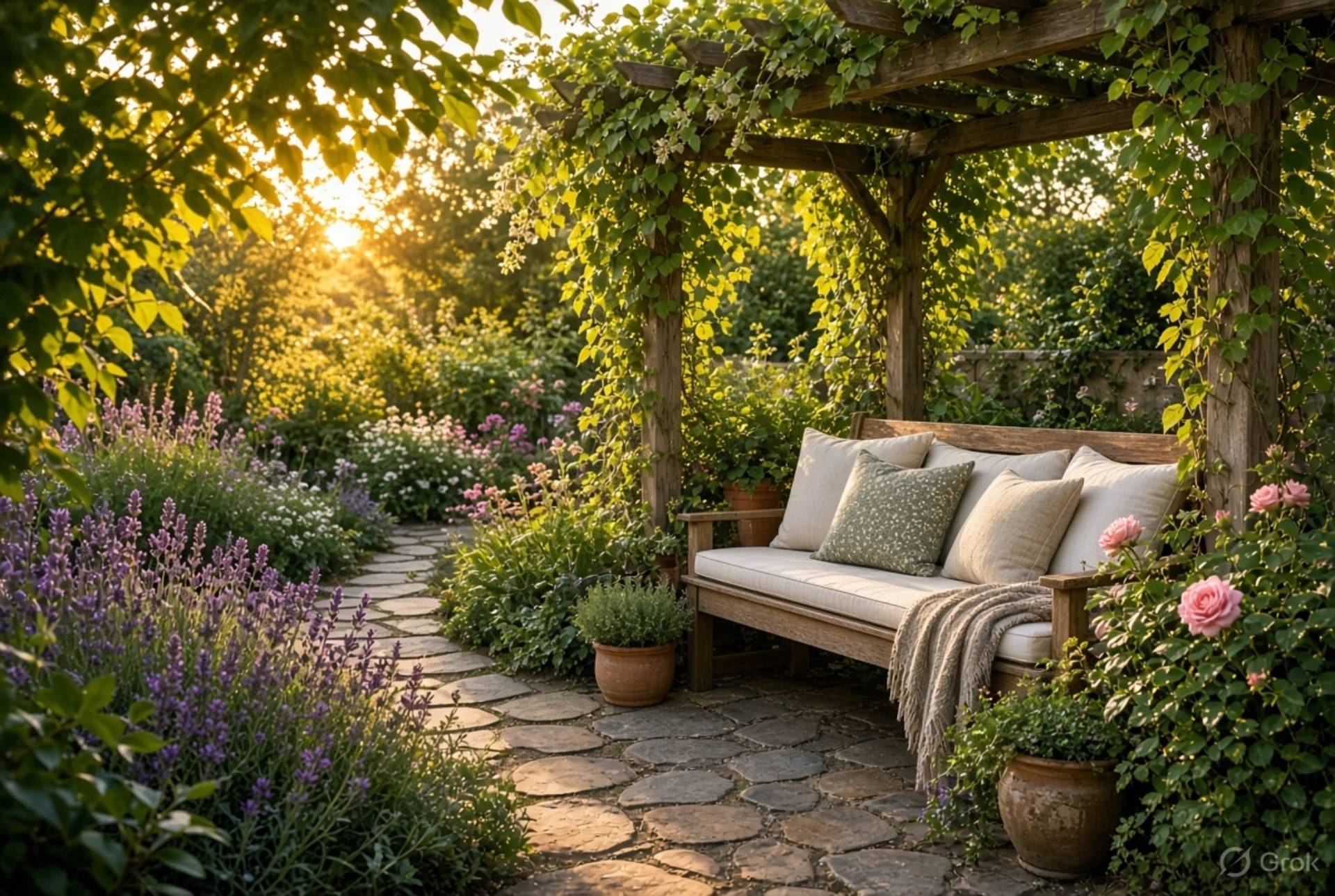
A garden you love is more than plants and paths. It’s the spot where you linger with a book, share coffee at sunrise, or simply sit and breathe. The good news is you don’t need a huge yard or endless free time to create one. You just need a clear idea of what makes you feel at home outdoors and a plan that fits your real life.
Here’s how to build a garden space that pulls you outside again and again.
Start by Knowing What You Actually Want
Before you dig or buy a single plant, spend a week simply watching your space. Notice where the morning light hits. Where the afternoon sun feels too strong. Where you naturally want to sit.
Ask yourself a few honest questions:
- Do you want a quiet corner for reading or a spot for meals with friends?
- Will kids or pets use the area?
- How much time can you realistically give to care?
Write down three non-negotiable things. Maybe it’s a comfortable seat in the shade, a place to grow a few herbs, or somewhere that feels private. These become your anchors. Everything else follows from them.
Map the Light, Soil, and Flow
Sunlight rules plant success. Track it for a few days at different hours. South- or west-facing areas usually get the strongest light; north-facing spots stay cooler and shadier. Mark the sunny, partial, and full-shade zones on a simple sketch.
Test your soil if you can. Most garden centers sell inexpensive kits. Knowing whether it’s heavy clay, sandy, or somewhere in between helps you choose plants that will thrive without constant struggle. Improve poor soil with compost rather than fighting it.
Think about how you’ll move through the space. A path that curves gently feels more inviting than a straight line that rushes the eye to the fence. Keep the route from the back door clear and welcoming.
Create Zones That Feel Like Outdoor Rooms
Treat the garden like an extension of your house. Divide it into simple areas that serve different moods.
- A living or dining zone close to the house for easy access
- A quieter retreat farther back for solitude
- A productive corner for herbs, vegetables, or flowers you love cutting
You don’t need walls. A change in paving, a low hedge, or even a large pot can mark the shift from one zone to another. Keep the materials limited—two or three hard surfaces at most—so the space feels calm instead of busy.
Choose Plants That Match Your Life
Pick plants that suit your light, soil, and the amount of care you’re willing to give. Mix heights, textures, and seasons so something always looks good.
Start with structure: a few evergreen shrubs or a small tree for year-round bones. Add flowering plants that bloom at different times. Finish with ground covers or grasses that soften the edges and keep weeds down.
Group plants with similar needs together. Put the thirsty ones near a hose or rain barrel. Place the tough, drought-tolerant ones farther out. This simple habit saves time and water.
Include a few plants that engage the senses—lavender for scent, soft ornamental grasses that move in the breeze, or herbs you can brush against and smell. These details turn a pretty garden into one you want to stay in.
Make Comfort the Priority
A garden you love has somewhere good to sit. Choose seating that feels solid and inviting—benches, chairs with cushions, or even a simple daybed under a tree. Place it where the light is kind and the view is pleasant.
Add shade if the sun is intense. A pergola, sail, or a well-placed tree can make the difference between a space you avoid at midday and one you use all afternoon. In cooler months, a fire pit or outdoor heater extends the season.
Lighting matters more than most people expect. Soft string lights, path lights, or a few solar lanterns let you enjoy the garden after dark without harsh glare.
Add Personal Touches That Feel Like You
This is where the space becomes yours. A favorite piece of pottery, a small water feature that masks street noise, or a collection of plants you’ve grown from cuttings all create attachment.
Keep the décor simple. One strong focal point—a striking plant, a sculpture, or a beautiful bench—works better than many small objects fighting for attention.
If you cook outdoors or love entertaining, plan for that. A small table near the kitchen door or a grill with nearby seating makes the garden part of daily life instead of a special-occasion only zone.
Build It in Stages and Let It Grow
You don’t have to finish everything in one season. Start with the hard surfaces and main seating area. Add the biggest plants next. Fill in with smaller ones over time.
Gardens improve with age. What looks sparse in year one often feels lush and settled by year three. Leave room for that growth. Resist the urge to overplant.
Keep Maintenance Realistic
Design for the time you have. Mulch beds to reduce weeds and hold moisture. Choose plants that don’t need constant deadheading or pruning if weekends are already full. A simple irrigation system or soaker hose can free you from daily watering.
Check in with the garden regularly, but don’t treat care as a chore. Pull a few weeds while you sip coffee. Cut a few flowers for the table. The more the space rewards you, the more you’ll want to look after it.
FAQ
How much does it cost to create a garden space you’ll love?
Costs vary widely. A simple makeover with seating, containers, and a few plants can start under a few hundred dollars. Full redesigns with paving and mature plants run higher. Phase the work and focus first on the elements that will get the most use.
What if my garden is very small?
Small spaces often become the most loved. Be decisive about priorities, use vertical planting, and create one strong focal point. Odd corners and narrow strips can become intimate seating nooks that larger gardens envy.
How do I make a low-maintenance garden that still feels special?
Choose plants suited to your conditions, mulch well, and group by water needs. Evergreen structure plus a few reliable seasonal plants keep interest without constant work. Limit the number of different hard materials.
Can I create a garden space on a balcony or patio?
Absolutely. Use containers of different heights, add a comfortable chair or two, and include plants that thrive in pots. Privacy screens, outdoor rugs, and string lights turn even a small outdoor area into a place you’ll seek out.
How long does it take before the garden feels finished?
You’ll enjoy it from the first seating area you install. The planted parts usually look their best after two to three growing seasons once roots establish and plants fill out.
Conclusion
A garden you love spending time in doesn’t happen by accident. It grows from paying attention to how you want to live outdoors, matching plants and features to real conditions, and making comfort and personal meaning the priority. Start with observation and a few clear priorities. Build in stages. Let the space evolve with you.
The reward is simple and lasting: a place that invites you outside, slows you down, and feels completely yours.
