

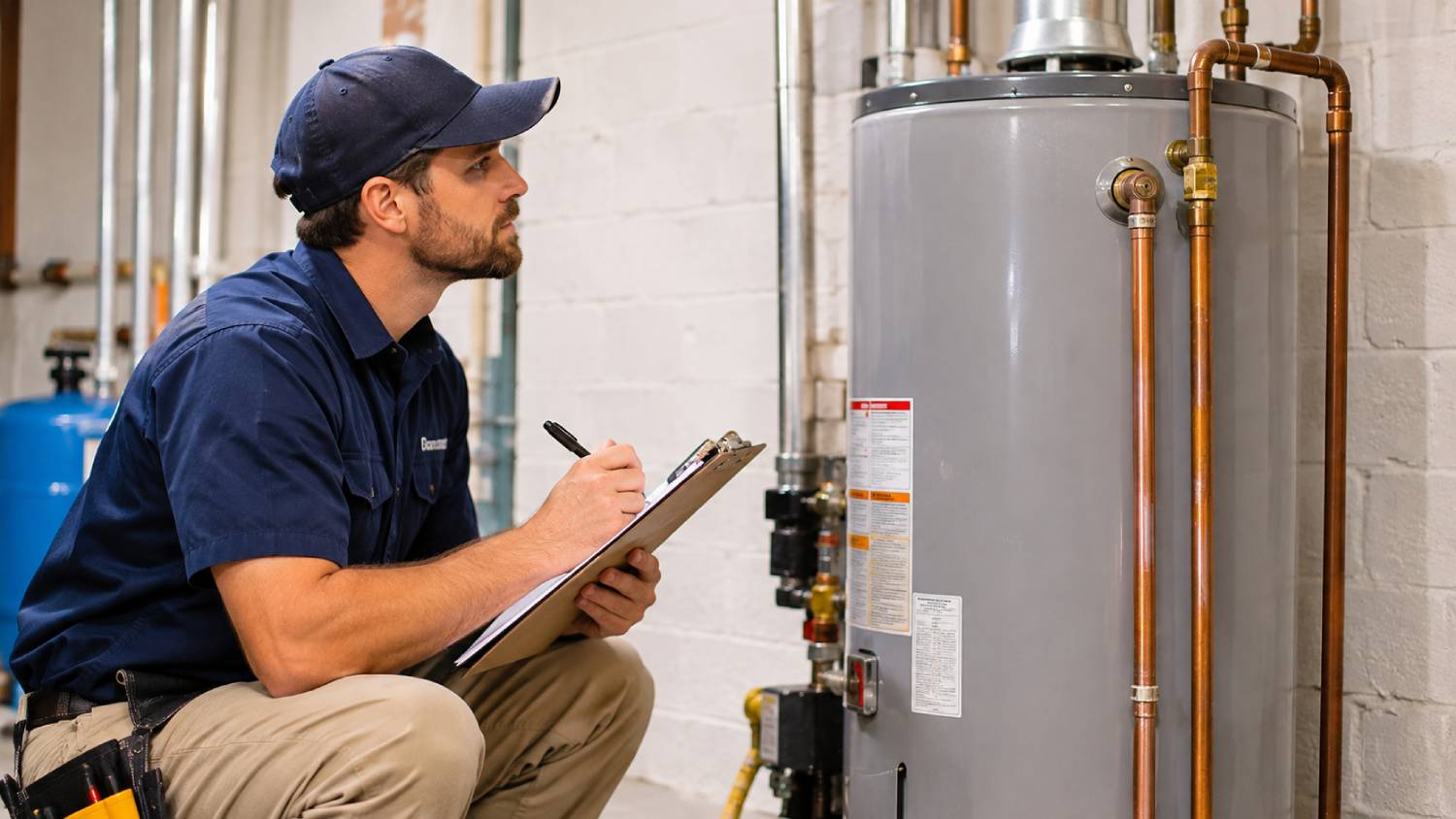
A water heater that misbehaves puts you in a tricky spot. Fix it and you may be back in a few months, but replace it too soon and you have spent money you did not need to. The right choice depends on a handful of practical factors, and knowing what to look for makes the decision far easier.
Start With the Age and Condition of the Unit
Age is the first thing to check. Many tank-style heaters last roughly 8 to 12 years, though this varies with the model, water quality and how well the unit has been maintained. The serial number label on the tank will help you work out how old yours is.
A younger heater with a single fault is usually worth saving. A unit near the end of its typical lifespan is a different matter, because one repair often leads to another. If you are considering water heater repair in Ogden, UT, ask the technician to assess the tank’s overall condition as well as the immediate fault, so you know whether the fix is likely to last.
Faults That Are Usually Worth Repairing
Some problems are isolated and relatively simple to resolve, particularly on a newer unit:
- A faulty thermostat or heating element
- A worn pressure relief valve
- A pilot light or ignition problem on a gas model
- A loose fitting or connection causing a minor drip
Hot water that runs out quickly or fluctuates in temperature often traces back to one of these components. For homeowners comparing water heater repair in Ogden, UT with the cost of a new unit, these are the cases where repair tends to be the better value. Check whether the heater is still under warranty first, as parts or labour may be covered.
Signs That Replacement Is the Better Option
Replacement is usually wiser when the problem lies with the tank itself or when the unit is clearly wearing out. Watch for the following:
- A leak from the tank body. Internal corrosion cannot be repaired. A leak from a fitting is different, so have a professional identify the source before assuming the worst.
- Rusty or discoloured hot water. If the cold tap runs clear, the tank may be corroding.
- Repeated repairs. Several call-outs in a short period suggest the unit is failing.
- Loud rumbling or banging. This often points to sediment build-up, and a flush can help if caught early. If the noise persists on an older heater, it may be time to replace it.
- Rising energy bills. Sediment and worn parts force the heater to use more energy to produce the same amount of hot water.
Weighing Up the Cost
There is no official formula, but a sensible approach is to compare the repair cost with the price of a new unit, then factor in the heater’s age. If the repair would cost a large share of a replacement and the unit is nearing the end of its life, a new heater is usually the better investment.
Remember to consider running costs too. Newer models are generally built to higher efficiency standards, which can reduce bills over time. The actual saving depends on the model and your household’s hot water use, so ask for figures specific to your home rather than relying on general claims.
Questions to Ask Before You Decide
- How old is the heater, and what condition is the tank in?
- Is the fault isolated, or is it a sign of wider wear?
- What is the written quote for repair compared with replacement?
- Does the current unit still suit the size of my household?
That last question is often overlooked. A growing family or a new bathroom can outstrip the capacity of a smaller tank, and no repair will fix that.
When to Call Someone Straight Away
Some situations should not wait. If you smell gas, see water pouring from the tank or notice a pilot light that keeps going out, turn off the supply and contact a qualified professional or your gas provider immediately.
Frequently Asked Questions
Can a water heater be repaired more than once?
It can, but repeated repairs on an older unit are often a sign that it is nearing the end of its life. Keep track of what you have spent, as the total may tip the balance towards replacement.
How can I extend the life of my water heater?
Regular servicing helps. An annual check can catch sediment build-up and worn parts before they cause a breakdown. Always follow the manufacturer’s guidance for your specific model.
Conclusion
Repair suits younger heaters with minor, isolated faults, while replacement is usually the better investment for ageing, leaking or frequently failing units. Look at the full cost over the next few years rather than just the bill in front of you. Before you commit, ask a qualified technician to inspect the heater and provide written quotes for both options.
